
Pet Urine in a Mattress
A mattress drinks up liquid and holds it deep in the foam, far from any airflow. You also sleep on it every night, so whatever you put on it has to be safe enough to breathe in for hours.
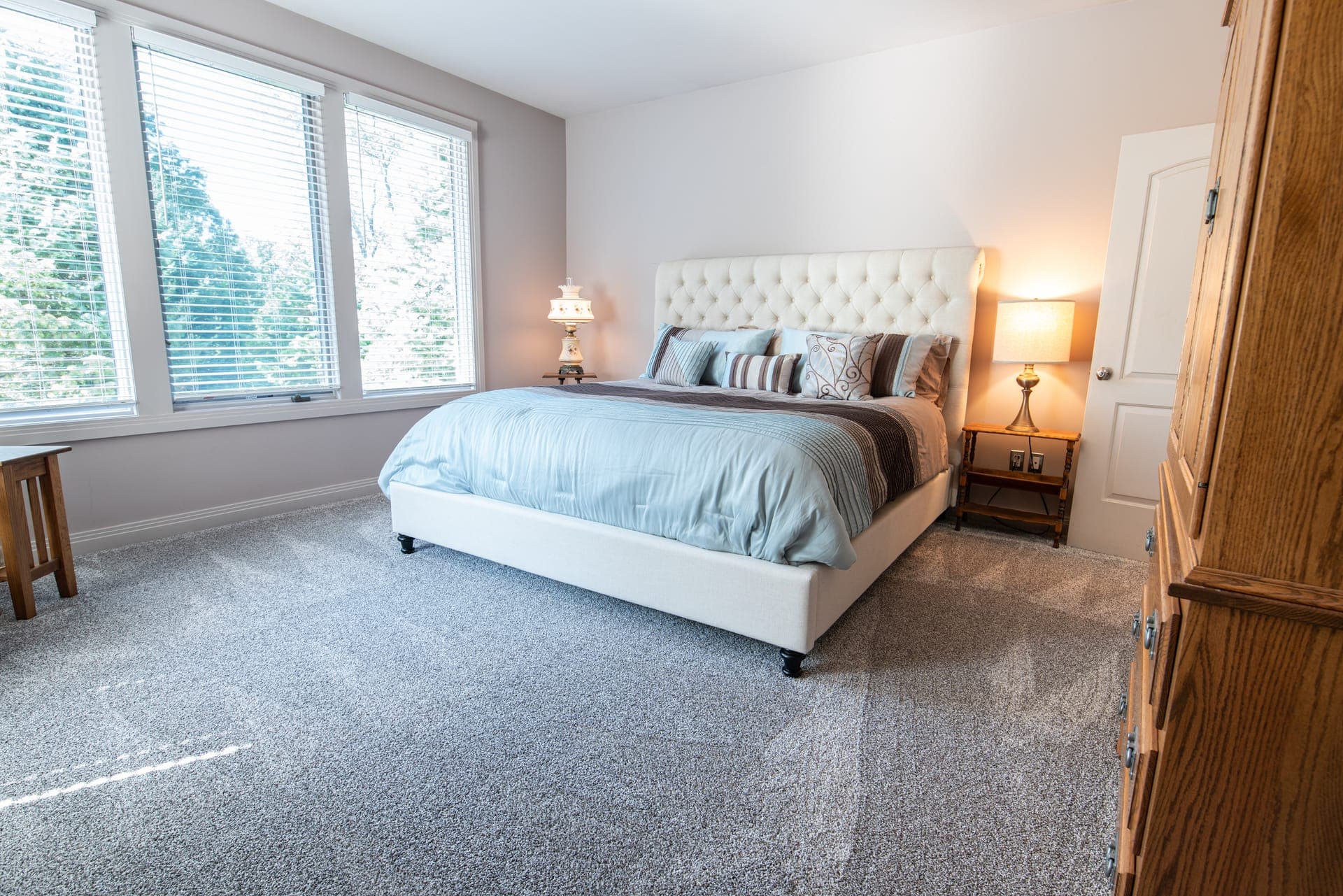
Safe-Dry gets called for mattress cleaning all the time, freshening up a mattress and clearing out the dust and allergens that settle in over the years. The job people ask about less, and the one that's genuinely tough, is pet urine that's gone deep into the foam. Removing it is exactly what this page is about.
Why the smell keeps coming back
The usual mattress fix is a spray on the surface, a heavy shake of baking soda, a few hours of waiting, and a vacuum. The top feels dry and the sheets go back on. Two nights later the smell is back, and it's a little sourer than before.
The reason is depth. Anything you spray on the surface only wets the top inch or two, but the urine went much deeper on contact. Baking soda can't migrate down into the core to find it, and a vacuum only pulls from the surface, so the real deposit sits untouched several inches in. You've treated the lid of the box, not the box.
People also reach for vinegar, peroxide, or an enzyme spray from the pet aisle and soak the spot to chase it. On a mattress that backfires. You can't wring a mattress out or run it through a wash, so every cup you pour in is a cup that has to dry back out through dense foam, and that's where the real problem starts.
Foam holds urine like a sponge, deep in the core where no airflow reaches. Spraying the top hides the wet zone; it doesn't dry it.
What makes a mattress different
A mattress is built to be absorbent, and that's the whole issue. Foam and memory foam act like a sponge: open cells pull liquid in fast and hold it by surface tension deep in the core, well below where any room airflow can reach. With carpet, moisture can at least evaporate up through the pile. A mattress traps it inside a thick, dense block that's wrapped in fabric and quilting on every side, so a urine deposit four inches down can stay damp for days or longer.
Damp foam that can't dry is exactly what mold and bacteria want, and a mattress gives them warmth, moisture, and an enclosed space to sit in. That's the health side of it, and it matters more here than on almost any other surface because you press your face and lungs against this thing for a third of every day. Flipping the mattress or spraying the top doesn't move the trapped moisture, it just hides the wet zone from view while it keeps fermenting in the core. The smell that comes back isn't the old smell returning; it's bacteria still working on urine that never left.
How Safe-Dry® gets it out for good
Safe-Dry treats a mattress with the same pet urine restoration treatment that handles urine elsewhere, tuned for foam. The enzymes break the uric acid and proteins in the deposit down into compounds that dry off and leave nothing behind to feed bacteria, so the source of the smell is gone rather than masked. The treatment is worked into the depth the urine actually reached, not just patted onto the surface, and we use a low-moisture method on purpose so we're not adding water that foam can't release.
Because you sleep on it, the solutions we use are non-toxic and free of harsh chemicals, which is the part that matters most on a mattress. There's no bleach, no perfume cover-up, nothing you'd be uneasy breathing all night. Safe-Dry is a national provider, and you'll get a firm price after the mattress is inspected rather than a number over the phone. Where the urine source is natural, the work is backed by our 14-day odor guarantee.
The same restoration treatment is explained in detail on our how enzyme treatment works page, and every job is backed by our 14-day odor guarantee.
Frequently asked questions
I sprayed and vacuumed the top of the mattress. Why does it still smell?
Because the urine soaked far deeper than a surface spray can reach. Foam pulls liquid down into the core on contact, several inches below where baking soda or a vacuum can do anything. The top dries and looks fine while the actual deposit stays damp inside, and bacteria keep working on it, which is the smell coming back.
Can't I just flip the mattress or buy a topper?
Flipping moves the wet side out of sight but the trapped moisture is still in the core, and a topper just sits on top of an active problem. As long as that deposit stays damp inside the foam it can grow mold and bacteria and keep producing odor. The deposit has to be broken down where it actually sits, not covered.
Is whatever you use safe to sleep on afterward?
Yes, and that's the priority on a mattress. The enzyme solutions are non-toxic and free of harsh chemicals, with no bleach and no heavy fragrance, so there's nothing you'd worry about breathing through the night once it's dry. We also keep the moisture low so the mattress dries properly instead of staying damp.
Should I be worried about mold inside the mattress?
It's a fair concern, because damp foam that can't dry is a setup for mold and bacteria in the core. The longer a urine deposit sits wet inside, the higher that risk gets. Treating it breaks down the deposit and removes the moisture source that mold needs, and your technician will tell you at inspection if a particular mattress is too far gone to recover.
Related pet odor problems we solve
Pet urine in area rugs
An area rug sits loose on the floor, so urine wicks straight through to the hardwood or carpet under it. We clean both surfaces and match the method to wool, silk, or synthetic.
SpecialSenior pet incontinence
An aging pet leaks in the same sleeping spots night after night. Periodic restoration treatment keeps up with it and protects the mattress and subfloor.
UpholsteryDog smell on couch
That heavy dog smell is body oil, dander, and saliva worked into one favorite cushion. We deodorize the fill rather than perfume the cover.
Ready to get the smell out for good?
Enter your zip code to reach your local Safe-Dry® team. We treat pet urine and odor across 523 locations in 6 states, with same-day appointments in most areas.